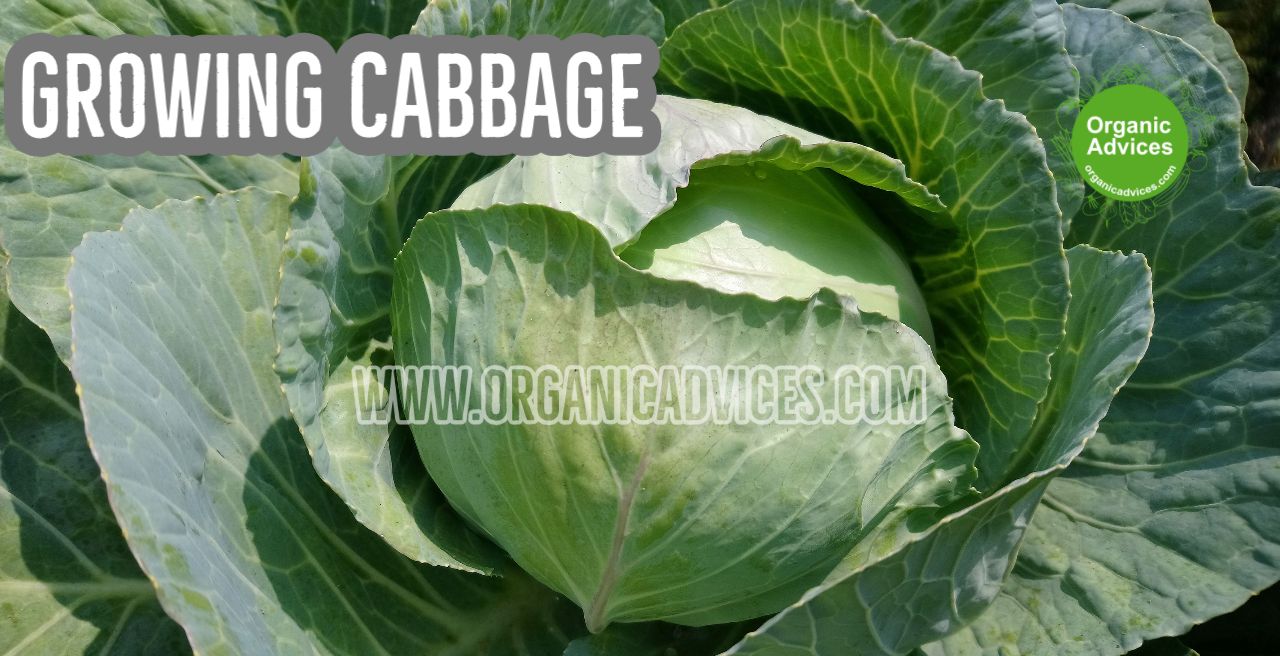


Cabbage is one of the most nutritious vegetables that can be successfully grown in Kerala using organic farming methods. Although traditionally considered a cool-season crop, improved varieties and proper care now allow home gardeners to cultivate cabbage during different times of the year, including in terrace gardens and kitchen gardens.
Growing your own cabbage ensures fresh, pesticide-free vegetables while giving you complete control over fertilizers and plant protection methods. With healthy seedlings, organic nutrients, and timely care, you can harvest firm and delicious cabbage heads right from your home garden.
🌱 Practical Gardening Tip:
While cabbage and cauliflower are traditionally winter vegetables, we have successfully cultivated them throughout the year in our home garden. During the head formation stage, spraying ice-cold or well-chilled water over the developing heads early in the morning has consistently helped us produce firmer and better-developed cabbage and cauliflower heads during warmer weather. This is based on our own gardening experience, and results may vary depending on climate, variety, and growing conditions.
🥬 Cabbage Growing at a Glance
| 📌 Item | Details |
|---|---|
| 🥬 Crop | Cabbage |
| 🌱 Growing Method | Organic |
| 🌤️ Suitable Locations | Kitchen garden, terrace garden, grow bags |
| 🌿 Propagation | Seeds or seedlings |
| 🥗 Harvest | One cabbage head per plant |
🌱 Why Grow Cabbage at Home?
Cabbage is widely used in stir-fries, salads, curries, and soups. Since commercially grown vegetables may contain pesticide residues, cultivating cabbage organically at home is a healthier alternative.
Each cabbage plant produces one compact head, so planting multiple seedlings ensures a good harvest.
🌿 Selecting Seeds and Seedlings
Choose varieties that are suitable for your local climate.
During the planting season, healthy cabbage and cauliflower seedlings are commonly available from:
- 🌱 Krishi Vigyan Kendras (KVKs)
- 🌱 VFPCK outlets
- 🌱 Agricultural universities and nurseries
You can also raise seedlings from quality seeds in seed trays before transplanting.
🪴 Planting Method
Prepare the planting hole by mixing organic nutrients such as:
- 🦴 Bone meal
- 🌿 Neem cake
- 🐄 Well-decomposed farmyard manure or cow dung
Plant the seedlings carefully and provide partial shade for the first few days after transplanting.
Water regularly without allowing the soil to become waterlogged.
🌾 Organic Fertilizer Schedule
Healthy cabbage plants require regular feeding.
Recommended organic fertilizers include:
- 🐄 Well-rotted cow dung
- 🌿 Neem cake
- 🐟 Fish Amino Acid (FAA)
- 🌰 Fermented groundnut cake solution
- 🌱 Other liquid organic fertilizers
Apply compost every two weeks and earth up the soil around the base of the plants as they grow.
Avoid chemical fertilizers whenever possible.
🐛 Pest and Disease Management
Common problems include:
- 🐛 Leaf-eating caterpillars
- 🐜 Aphids
- 🍂 Collar rot
- 🦠 Soft rot
Organic control methods:
- 🌿 Apply neem cake around the base of plants every two weeks.
- 🌶️ Spray diluted Bird’s Eye Chilli extract to discourage leaf-eating insects.
- 🧪 Apply 20% Pseudomonas solution at regular intervals to help reduce collar rot and other fungal diseases.
Early monitoring and timely intervention are essential for healthy crops.
❄️ Tips for Better Head Formation
Cabbage develops best under cool conditions.
Based on our own gardening experience:
- 💧 Spray ice-cold or chilled water over the developing cabbage and cauliflower heads early in the morning during warm weather.
- 🌱 Maintain consistent soil moisture.
- ☀️ Ensure the plants receive adequate sunlight.
- 🌿 Feed regularly with balanced organic nutrients.
This simple practice has helped us produce compact and healthy heads even outside the traditional winter growing season.
🌿 Harvesting
Harvest cabbage when the heads become firm and compact.
Avoid delaying the harvest, as over-mature heads may split and lose quality.
❓ Frequently Asked Questions
🌱 Can cabbage be grown in Kerala throughout the year?
Yes. With suitable varieties and proper care, cabbage can be grown beyond the traditional winter season.
🪴 Can I grow cabbage in grow bags?
Absolutely. Grow bags, raised beds, and large containers are excellent options for home gardeners.
🥬 How many cabbages does one plant produce?
Each cabbage plant produces one cabbage head.
🌿 Which organic fertilizers work best?
Cow dung manure, neem cake, Fish Amino Acid (FAA), fermented groundnut cake solution, and compost all work well.
❄️ Does spraying chilled water help?
In our own home garden, spraying chilled water over developing cabbage and cauliflower heads early in the morning has consistently improved head formation during warmer months. Since growing conditions differ, gardeners are encouraged to try the method on a few plants and observe the results.
🌾 Conclusion
Organic cabbage cultivation is simple, productive, and rewarding for home gardeners. By choosing healthy seedlings, applying organic fertilizers, managing pests naturally, and following practical growing techniques, you can harvest fresh, chemical-free cabbage throughout much of the year. With a little care and patience, your home garden can provide a steady supply of nutritious cabbage for your family.