

Aanakomban Venda, popularly known as Elephant Tusk Okra, is a unique variety of okra that produces long, slightly curved pods resembling an elephant’s tusk. The cultivation method is almost identical to growing regular okra, making it an excellent choice for home gardeners who want bigger and more productive pods without changing their usual farming practices. With proper organic care, the pods can grow up to 50 cm in length, and a healthy plant can produce around 50 pods during its growing season.
📋 Elephant Tusk Okra at a Glance
| 🌱 Feature | 📌 Details |
|---|---|
| Common Name | Elephant Tusk Okra |
| Local Name | Aanakomban Venda |
| 🌿 Crop Type | Okra |
| 📏 Pod Length | Up to 50 cm |
| 🌱 Growing Method | Similar to Normal Okra |
| 🥬 Yield | Up to 50 Pods per Plant |
| 🌿 Best Practice | Organic Cultivation |
🌱 Growing Elephant Tusk Okra
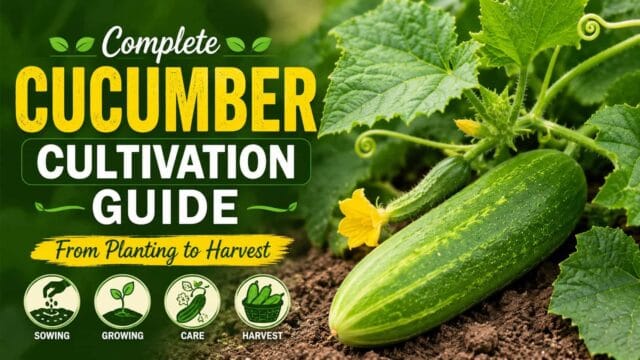
The cultivation practices for Elephant Tusk Okra are almost the same as those followed for ordinary okra. Gardeners who have already grown regular okra can easily cultivate this variety by following the same planting, watering, and maintenance methods.
The major difference lies in the size of the pods. Under proper care, the fruits grow much longer and thicker than conventional okra varieties, making them suitable for family cooking with just a few pods.

🌾 Seed Treatment
Healthy seeds are the foundation of a good harvest.
Before sowing:
- 💧 Soak the seeds in clean water for 30 minutes, or
- 🦠 Soak them in a 20% Pseudomonas solution for about 30 minutes.
This helps:
- 🌱 Improve germination.
- 🛡️ Enhance disease resistance.
- 🚀 Promote vigorous seedling growth.
Seeds usually germinate within 4–5 days. Select healthy seedlings for transplanting if required.
🌿 Planting and Fertilization
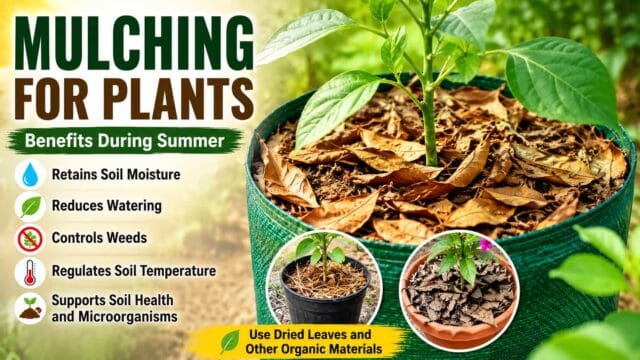
Prepare the soil well before planting by incorporating organic matter.
🌱 Recommended Basal Manures
- 🐄 Well-decomposed Cow Dung
- 🌿 Neem Cake
- 🍂 Organic Compost
During the growing stage, additional nutrients can be supplied using:
- 🌰 Groundnut Cake
- 🐄 Fermented Cow Dung Solution
- 🌰 Fermented Groundnut Cake Extract
These organic nutrient solutions encourage vigorous plant growth, flowering, and continuous fruit production.
💧 Plant Care
- ☀️ Grow the plants in full sunlight.
- 💦 Water regularly without waterlogging.
- 🌱 Remove weeds periodically.
- ✂️ Harvest pods while they are still tender.
- 🚫 Avoid leaving mature pods on the plant unless saving seeds.
Regular harvesting encourages the plant to produce more pods.
🐛 Pest Management
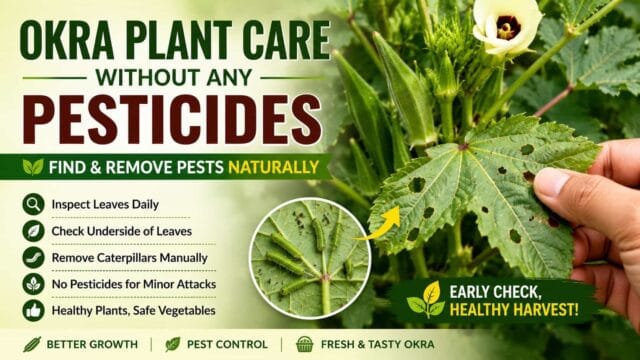
This variety generally experiences fewer serious pest problems. However, preventive organic sprays can help maintain healthy plants.
🌿 Neem Cake Extract
- Mix one handful of neem cake in 1 litre of water.
- Leave it for 1–2 days.
- Filter and dilute before spraying.
This serves as an effective natural pest repellent.
🌿 Recommended Organic Fertilizers
| 🌱 Fertilizer | ✅ Purpose |
|---|---|
| 🐄 Cow Dung Manure | Basal nutrition |
| 🪱 Vermicompost | Improves soil fertility |
| 🌿 Neem Cake | Nutrient source & pest prevention |
| 🌰 Groundnut Cake | Promotes vegetative growth |
| 🐟 Fish Amino Acid (FAA) | Healthy leaf development |
| 🥚 Egg Amino Acid (EAA) | Better flowering and fruiting |
| 🍌 Banana Peel Fertilizer | Potassium source |
| 🧅 Onion Peel Fertilizer | Micronutrients |
| 🌱 Jeevamrutham | Improves soil microbial activity |
🛡️ Organic Pest Control Options
| 🐛 Organic Pesticide | 🎯 Controls |
|---|---|
| 🌿 Neem Oil Spray | Aphids, Whiteflies, Leaf Feeders |
| 🌰 Neem Cake Extract | General pest prevention |
| 🦠 Pseudomonas | Disease prevention |
| 🧫 Trichoderma | Soil-borne diseases |
| 🌶️ Chilli-Garlic Extract | Chewing insects |
| 🚬 Tobacco Decoction | Selected insect pests (use only when necessary) |
| 🧼 Soap Spray | Soft-bodied insects |
🌾 Personal Experience
The seeds of this variety were shared with me by my Facebook friend Unnikrishnan Njarakkal. The plants performed exceptionally well under organic cultivation and produced healthy, long pods with excellent yield.
🌱 Conclusion
Elephant Tusk Okra is an outstanding choice for gardeners looking for larger pods and higher productivity without changing their existing cultivation practices. Since the growing method is essentially the same as normal okra, even beginners can cultivate it successfully. With regular organic fertilization, timely harvesting, and simple natural pest management, this unique variety can provide an abundant harvest throughout the growing season.