

Looking for a simple, zero-cost organic fertilizer for your home garden? Onion peels, along with garlic peels and shallot skins, can be turned into an effective homemade fertilizer for vegetables, herbs, and flowering plants. Instead of throwing them away, recycle these kitchen scraps to improve soil health and support healthy plant growth.
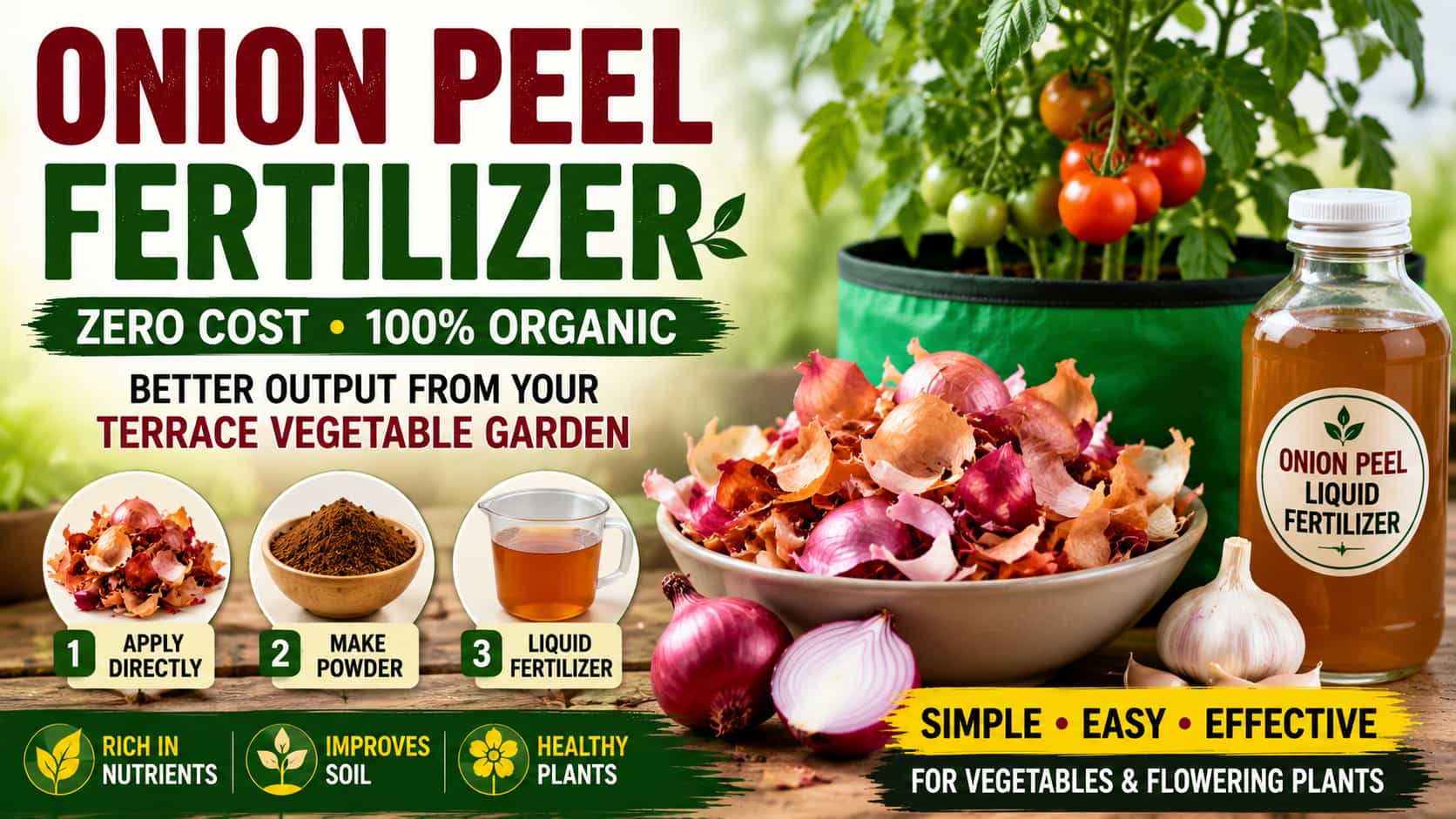
🌱 Why Use Onion Peel Fertilizer?
Onion peels contain small amounts of potassium, calcium, phosphorus, magnesium, and other micronutrients that help plants grow stronger. They also add organic matter to the soil as they decompose.
Benefits
| 🌿 Benefit | 🌱 Why It Matters |
|---|---|
| ♻️ Zero Cost | Uses everyday kitchen waste |
| 🌱 Improves Soil | Adds organic matter naturally |
| 🍅 Supports Plant Growth | Provides essential nutrients |
| 🌸 Suitable for Flowering Plants | Encourages healthy blooms |
| 🌿 Eco-Friendly | Reduces household waste |
🪴 Method 1: Apply Onion Peels Directly
The easiest way is to apply onion peels directly to your grow bags or containers.
Steps
- 🧅 Collect onion, shallot, and garlic peels.
- 🌱 Apply one handful around each plant every month.
- 🍂 Cover the peels with soil, mulch, or dried leaves.
- 💧 Water the plants normally.
As the peels decompose, they gradually release nutrients into the soil.
🥣 Method 2: Homemade Organic Fertilizer Powder
If you regularly collect kitchen waste, prepare a nutrient-rich organic fertilizer powder.
Ingredients
- 🧅 Onion peels
- 🥚 Eggshells
- 🍌 Banana peels
- 🍵 Used tea leaves (well dried)
Preparation
- Dry all ingredients completely.
- Grind them into a fine powder.
- Store the powder in an airtight container.
Application
Use 2 tablespoons per plant once every month and lightly mix it into the topsoil before watering.
💧 Method 3: Onion Peel Liquid Fertilizer
Liquid fertilizer is another easy way to feed plants naturally.
Preparation
| 🌱 Step | 📋 Instructions |
|---|---|
| 🧅 1 | Add one handful of onion peels to 1 litre of water |
| ⏳ 2 | Soak for 24 hours |
| 🫗 3 | Strain the solution |
| 🌿 4 | Apply directly to the soil around plants |
Application Frequency
Apply once every 14 days for vegetables, herbs, and flowering plants.
🌿 Suitable Plants
Onion peel fertilizer can be used for:
- 🍅 Tomatoes
- 🌶️ Chilli Plants
- 🥬 Leafy Greens
- 🥒 Cucumbers
- 🍆 Brinjal (Eggplant)
- 🌼 Flowering Plants
- 🌿 Herbs
- 🪴 Container Plants
🌱 Tips for Better Results
| ✅ Tip | 🌿 Benefit |
|---|---|
| Use dry peels only | Prevents fungal growth |
| Do not overapply | Avoids excessive organic buildup |
| Cover peels with soil | Speeds up decomposition |
| Combine with compost | Improves soil fertility |
| Water after application | Helps nutrients reach the roots |
🌿 Other Homemade Organic Fertilizers
Along with onion peel fertilizer, you can also prepare several other low-cost homemade plant nutrients, including:
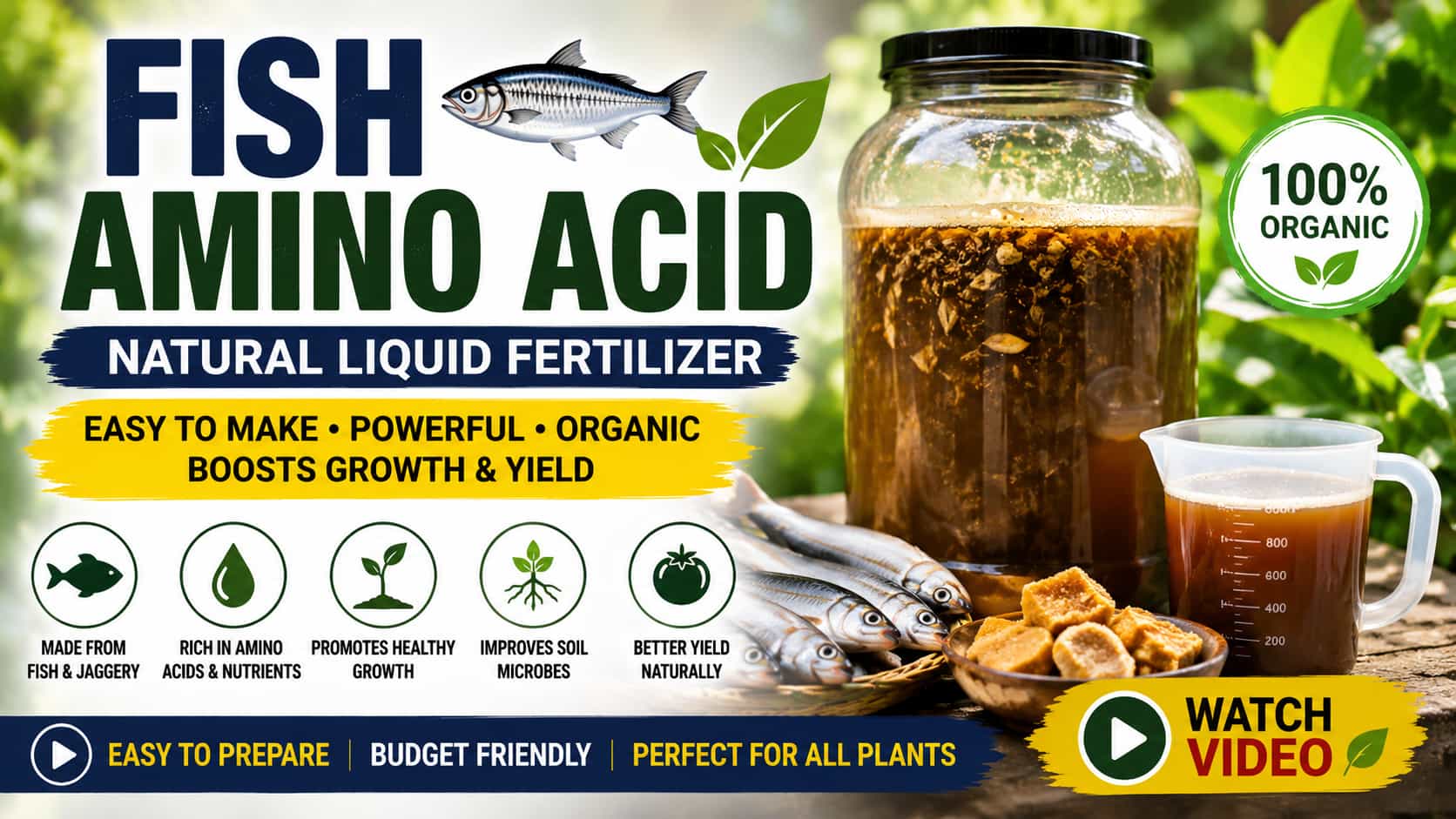
- 🐟 Fish Amino Acid (FAA)
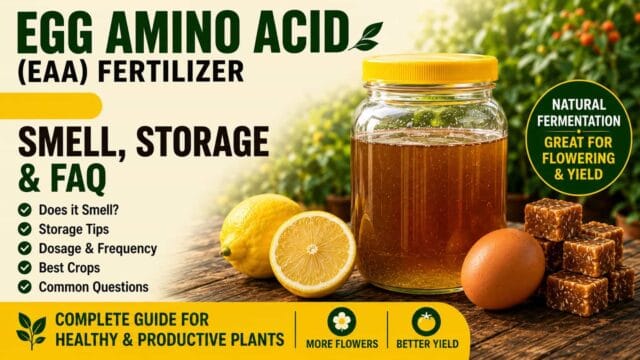
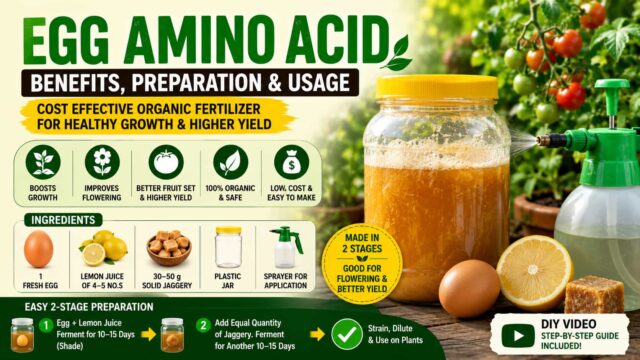
- 🥚 Egg Amino Acid (EAA)
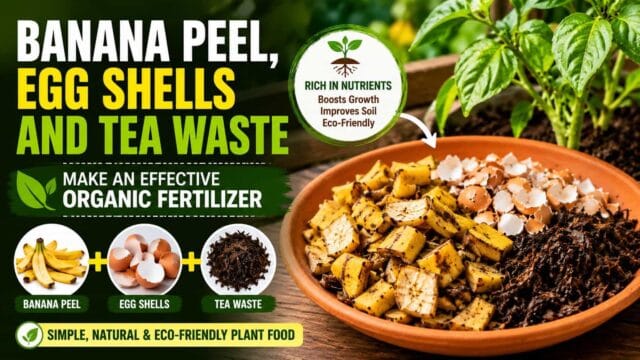
- 🍌 Banana Peel Fertilizer
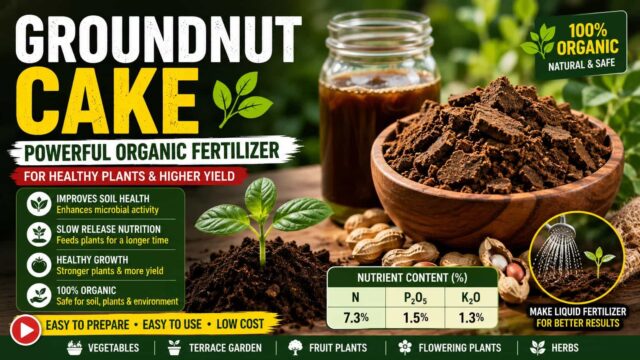
- 🥜 Groundnut Cake Fertilizer
- ♻️ Compost and Compost Tea
Using different organic fertilizers throughout the growing season helps maintain healthy soil and supports vigorous plant growth.
🎥 Video Guide
Watch our video tutorial to see how to prepare and apply onion peel fertilizer using all three methods, along with practical tips for home gardens and terrace gardens.
❓ Frequently Asked Questions
1. Is onion peel fertilizer good for all plants?
Yes. It can be used for most vegetables, herbs, flowering plants, and ornamental plants.
2. How often should I apply onion peel fertilizer?
Solid onion peels or fertilizer powder can be applied once a month, while onion peel liquid fertilizer can be used every 14 days.
3. Can I use garlic and shallot peels together?
Yes. Garlic, onion, and shallot peels can all be used together to prepare homemade organic fertilizer.
4. Should I dry onion peels before making fertilizer powder?
Yes. Drying prevents mold growth and makes the ingredients easier to grind into a fine powder.
5. Does onion peel fertilizer replace compost?
No. Onion peel fertilizer is a useful supplement, but compost or other organic fertilizers should also be used to maintain long-term soil fertility.
🌿 Conclusion
Onion peels are a valuable kitchen waste that can be transformed into an effective homemade fertilizer at virtually no cost. Whether applied directly, converted into a nutrient-rich powder, or prepared as a liquid fertilizer, onion peels help improve soil health and support stronger plant growth. Combined with other organic fertilizers and good gardening practices, they provide a simple and sustainable way to grow healthier vegetables and flowers at home.


Hi, I have heard about a pepper variety ” Kumbukkal Pepper “, can you please write about it ?.