
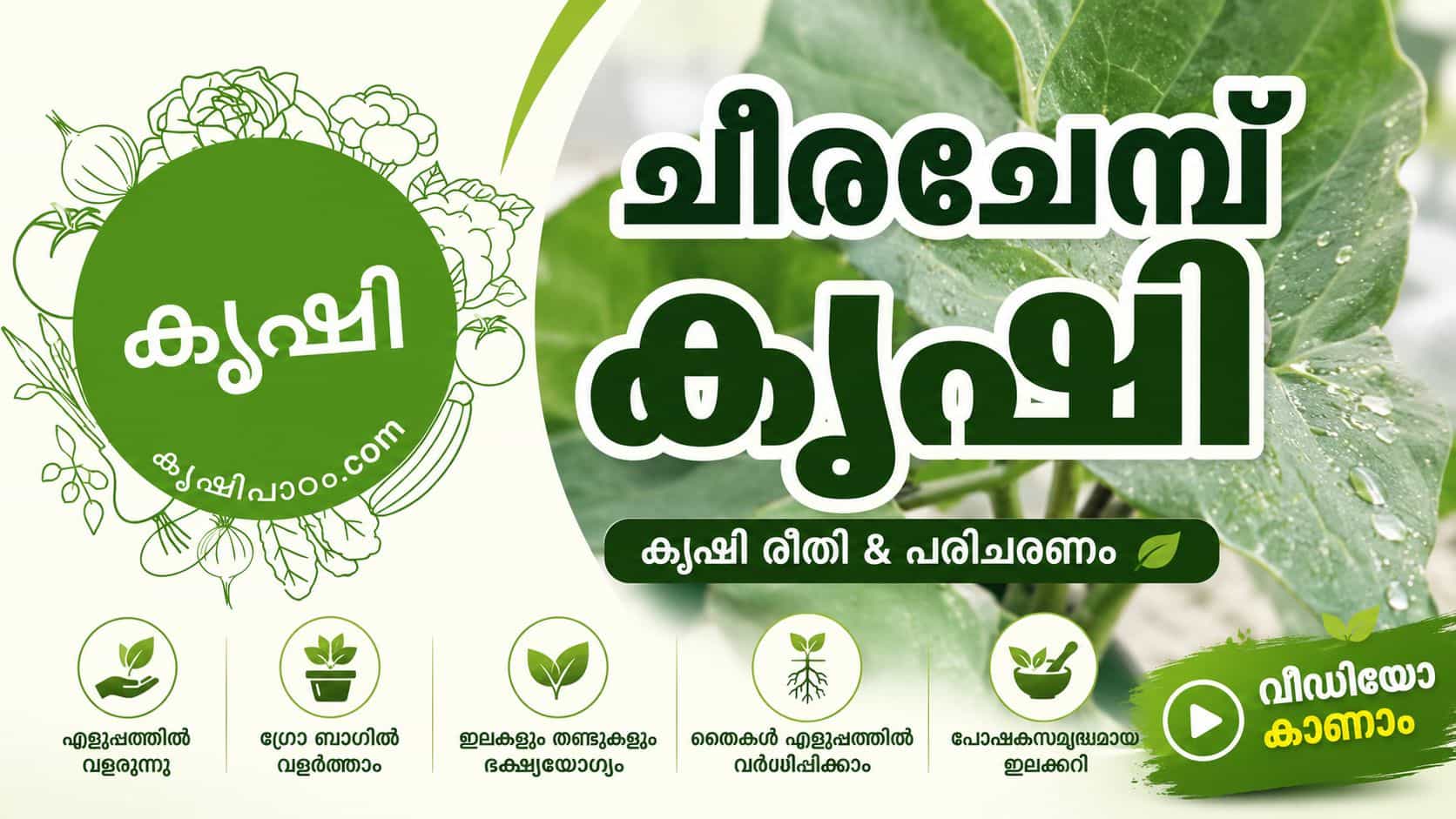
Tahitian Spinach is one of the easiest leafy vegetables to grow in a home garden. It requires very little maintenance and produces nutritious edible leaves and tender stems throughout the year. Whether you have a backyard, terrace garden, or a few grow bags, this fast-growing plant is an excellent addition to your edible garden.
This guide explains how to plant, care for, and propagate Tahitian Spinach, along with an embedded video demonstrating the complete growing process.
What’s Covered in This Guide
| 🌿 Topic | Description |
|---|---|
| 🌱 Plant Overview | What is Tahitian Spinach? |
| 🪴 Planting | Growing in soil and grow bags |
| ☀️ Plant Care | Watering and sunlight requirements |
| 🌱 Propagation | Multiplying plants from offshoots |
| 🥗 Harvest | Edible leaves and stems |
| 🎥 Video Guide | Step-by-step growing tutorial |
What is Tahitian Spinach?
Tahitian Spinach is a hardy leafy vegetable grown for its tender leaves and edible stems. It adapts well to tropical climates and grows vigorously with minimal attention, making it an excellent choice for beginner gardeners.
Its lush green foliage also makes it an attractive edible landscape plant.
How to Plant Tahitian Spinach
Tahitian Spinach is usually propagated using young plants or offshoots rather than seeds.
Planting Steps
- Fill a grow bag or garden bed with well-drained fertile soil.
- Mix compost or well-rotted organic manure into the planting medium.
- Plant a healthy seedling or tuber.
- Water thoroughly after planting.
- Place the plant where it receives several hours of sunlight daily.
Growing in Grow Bags
This plant performs exceptionally well in grow bags.
Benefits include:
- 🪴 Easy to manage
- 🌱 Healthy root development
- 💧 Better drainage
- 🏡 Ideal for terrace gardens and small spaces
Plant Care
Tahitian Spinach requires only basic maintenance.
For healthy growth:
- Water regularly without overwatering.
- Apply compost or organic fertilizer occasionally.
- Remove old or damaged leaves.
- Ensure the soil remains loose and well-drained.
Once established, the plant grows vigorously throughout the growing season.
Propagation
One of the best features of Tahitian Spinach is its easy propagation.
Small offshoots naturally develop around the base of the mother plant.
To propagate:
- Carefully separate a healthy offshoot with roots.
- Plant it in another grow bag or garden bed.
- Water regularly until it establishes.
This simple method allows you to multiply your plants without purchasing new seedlings.
Harvesting
Both the leaves and tender stems are edible.
Harvest regularly by cutting mature leaves while allowing younger shoots to continue growing.
Frequent harvesting encourages fresh growth and continuous production.
Why Grow Tahitian Spinach?
- 🌿 Easy to grow
- 🥬 Nutritious edible leaves
- 🌱 Edible stems
- 🪴 Perfect for grow bags
- 🌞 Suitable for tropical climates
- 🌱 Easy propagation
- 🏡 Excellent for home gardens
Watch the Video
The embedded video demonstrates:
- Planting
- Grow bag cultivation
- Plant care
- Propagation
- Harvesting
Watching the complete video makes it easier for beginners to understand every stage of cultivation.
Frequently Asked Questions
Is Tahitian Spinach easy to grow?
Yes. It is one of the easiest leafy vegetables for home gardeners and requires minimal maintenance.
Can it be grown in containers?
Absolutely. It grows very well in grow bags, containers, and raised beds.
Are the leaves edible?
Yes. Both the leaves and tender stems are commonly used in cooking.
How do I propagate Tahitian Spinach?
Separate the rooted offshoots growing around the base of the plant and transplant them into new containers or garden beds.
Does it require full sunlight?
It grows best with several hours of sunlight each day, although it can tolerate partial shade in warm climates.