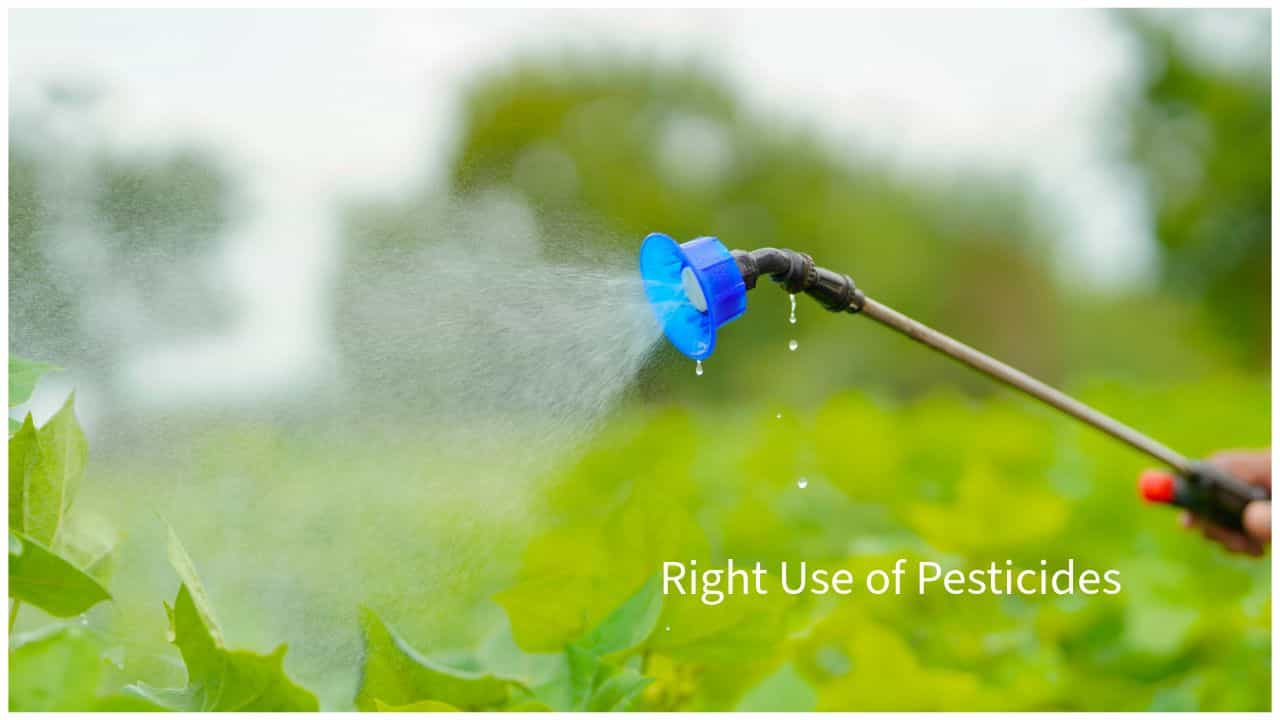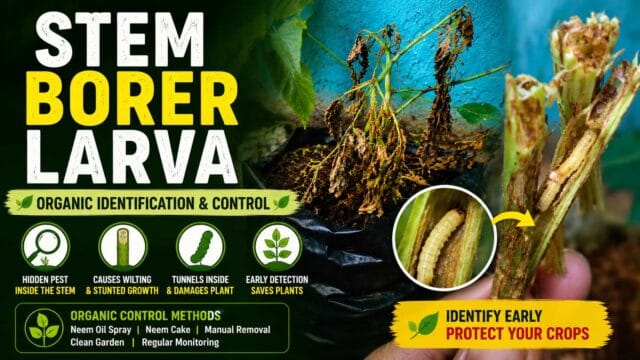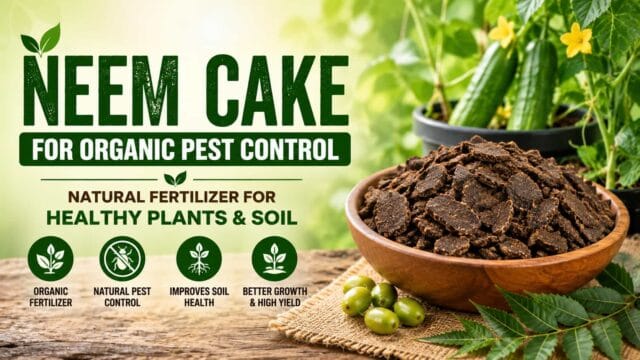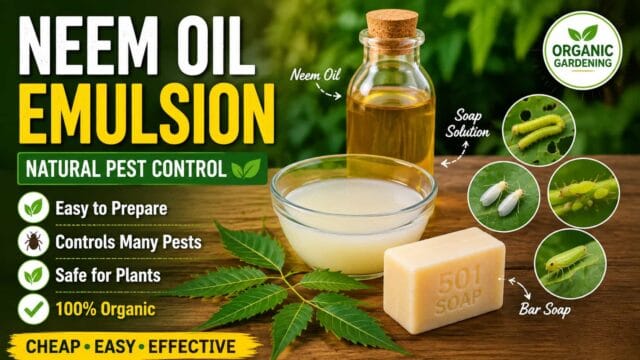

Healthy vegetable plants require protection from insects, mites, and other pests that can damage leaves, stems, flowers, and fruits. Whether you choose organic or conventional (synthetic) pesticides, using them correctly is essential for achieving effective pest control while minimizing risks to beneficial insects, the environment, and your crops.
This guide explains the proper way to apply pesticides, common mistakes to avoid, and popular organic alternatives for home vegetable gardens.
🌿 What’s Covered in This Guide
| 🛡️ Topic | Description |
|---|---|
| 🐛 Why Use Pesticides? | When pest control becomes necessary |
| 🌱 Organic vs Conventional | Understanding your options |
| 🚿 Proper Application | Best spraying techniques |
| ⏰ Best Time to Spray | Choosing the right conditions |
| 🌿 Organic Alternatives | Natural pest control methods |
| 🎥 Video Guide | Practical demonstration |
🐛 Why Use Pesticides?
Insects and other pests can quickly damage vegetable crops if left unmanaged. Common garden pests feed on leaves, stems, flowers, or fruits, reducing plant health and harvest quality.
Pest management should focus on:
- 🌱 Protecting healthy plant growth
- 🍅 Maintaining crop quality
- 🥬 Preventing severe infestations
- 🌿 Supporting long-term garden health
Pesticides should be used only when needed and as part of an overall pest management strategy.
🌱 Organic vs. Conventional Pesticides
Home gardeners can choose between organic and conventional pesticides depending on their gardening practices and the specific pest problem.
| 🌿 Organic Options | 🧪 Conventional Options |
|---|---|
| Derived from natural sources | Manufactured chemical products |
| Often lower impact on beneficial organisms when used correctly | May provide faster control for certain pests |
| Common in organic gardening | Always follow the product label carefully |
Regardless of the type used, always read and follow the manufacturer’s directions.
🚿 How to Apply Pesticides Correctly
Proper application greatly improves effectiveness.
Best Practices
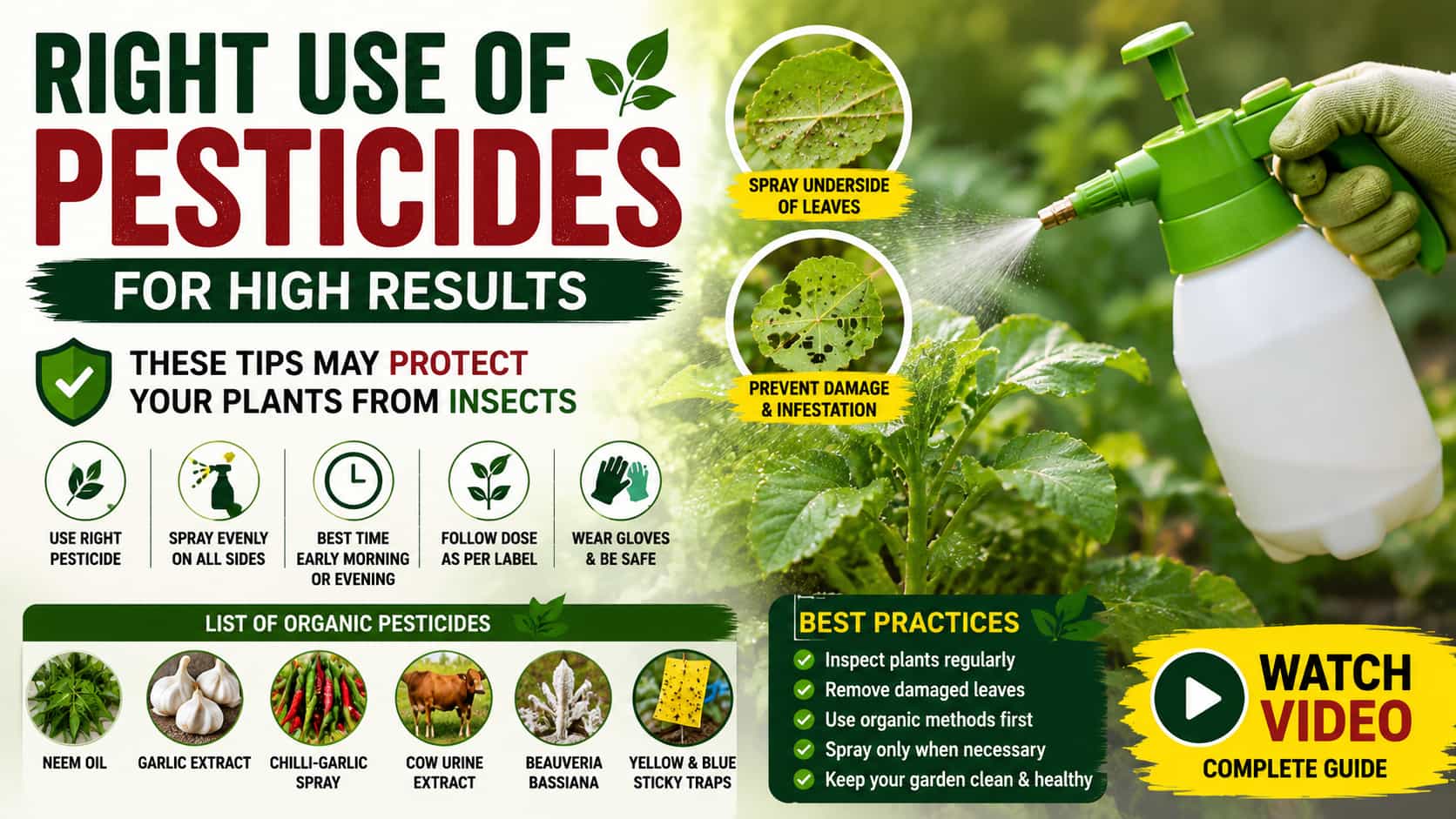
- 🌿 Spray both the upper and lower surfaces of leaves.
- 🐛 Pay special attention to the underside of leaves where many insects and eggs are found.
- 💧 Apply an even coating without excessive runoff.
- 🌱 Treat affected plants thoroughly rather than spraying only visible pests.
Good coverage is often more important than simply using a larger quantity of pesticide.
⏰ Best Time to Spray
Weather conditions affect pesticide performance.
For best results:
- 🌅 Spray early in the morning or late in the afternoon.
- ☀️ Avoid spraying during hot midday temperatures.
- 💨 Do not spray during strong winds.
- 🌧️ Avoid spraying when rain is expected soon after application.
These conditions help improve coverage and reduce unnecessary product loss.
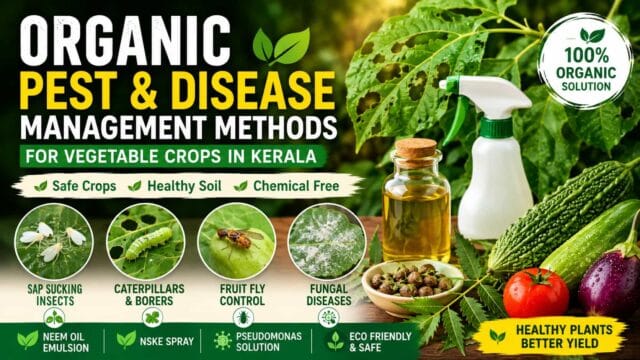
🌿 Organic Pest Control Options
Many gardeners prefer natural pest management methods whenever practical.
Popular organic options include:
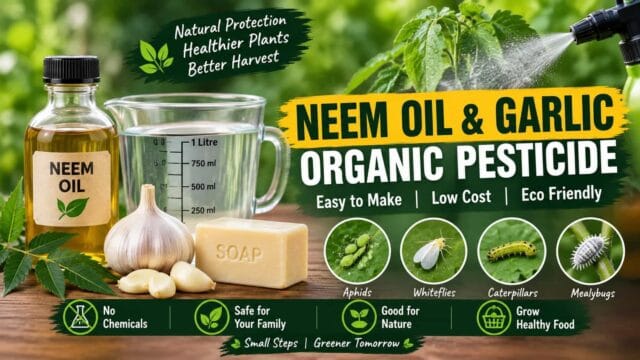
- 🌿 Neem Oil
- 🧼 Insecticidal Soap
- 🌱 Garlic Spray
- 🌶️ Chilli Pepper Spray
- 🦠 Beneficial Microorganisms
- 🪨 Diatomaceous Earth (for specific crawling pests)
Organic products should also be used according to their instructions for safe and effective results.
🛡️ Integrated Pest Management (IPM)
The best approach is to combine several pest management techniques instead of relying entirely on pesticides.
Examples include:
- 🔍 Inspect plants regularly.
- 🍂 Remove heavily damaged leaves.
- 🐞 Encourage beneficial insects.
- 🌱 Maintain healthy soil and proper nutrition.
- 💧 Water plants appropriately.
- 🚫 Apply pesticides only when necessary.
This balanced approach helps reduce pest pressure while protecting garden biodiversity.
⚠️ Safety Tips
When using any pesticide:
- 👕 Wear appropriate protective clothing if recommended on the label.
- 🧴 Mix only according to the manufacturer’s instructions.
- 🚸 Keep products away from children and pets.
- 🧼 Wash hands and equipment after use.
- 📦 Store pesticides in their original containers.
Never exceed the recommended application rate.
🎥 Watch the Video
The accompanying video demonstrates:
- Proper spraying techniques
- How to reach the underside of leaves
- Safe pesticide application
- Common mistakes to avoid
- Organic pest management tips
Watching the complete guide will help you improve pest control while protecting your vegetable garden.
🌿 Related Topics
- Organic Gardening
- Vegetable Garden Pest Control
- Neem Oil for Plants
- Organic Liquid Fertilizers
- Terrace Gardening
- Home Vegetable Garden
- Integrated Pest Management
- Natural Gardening
❓ Frequently Asked Questions
Should I always use pesticides when I see insects?
Not necessarily. Many insects are beneficial. Identify the pest first and consider non-chemical control methods before using pesticides.
Why should I spray the underside of leaves?
Many insects, larvae, and eggs hide beneath leaves, making thorough coverage important for effective control.
Can I use organic pesticides on vegetable plants?
Yes. Products such as neem oil and insecticidal soap are commonly used in home vegetable gardens when applied according to their instructions.
What is the best time to spray pesticides?
Early morning or late afternoon is generally the best time because temperatures are cooler and evaporation is reduced.
Can pesticides completely eliminate pests?
Most pesticides help manage pest populations rather than eliminate them entirely. Combining good gardening practices with appropriate pest control methods provides the best long-term results.