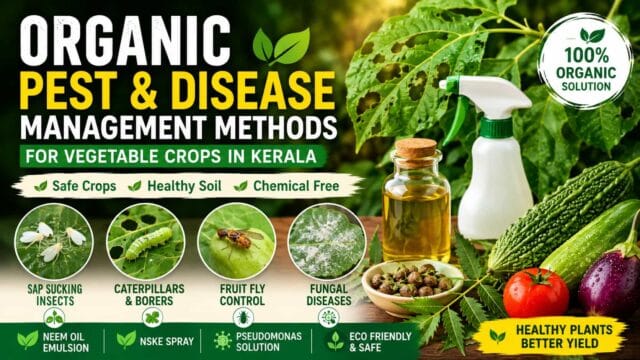

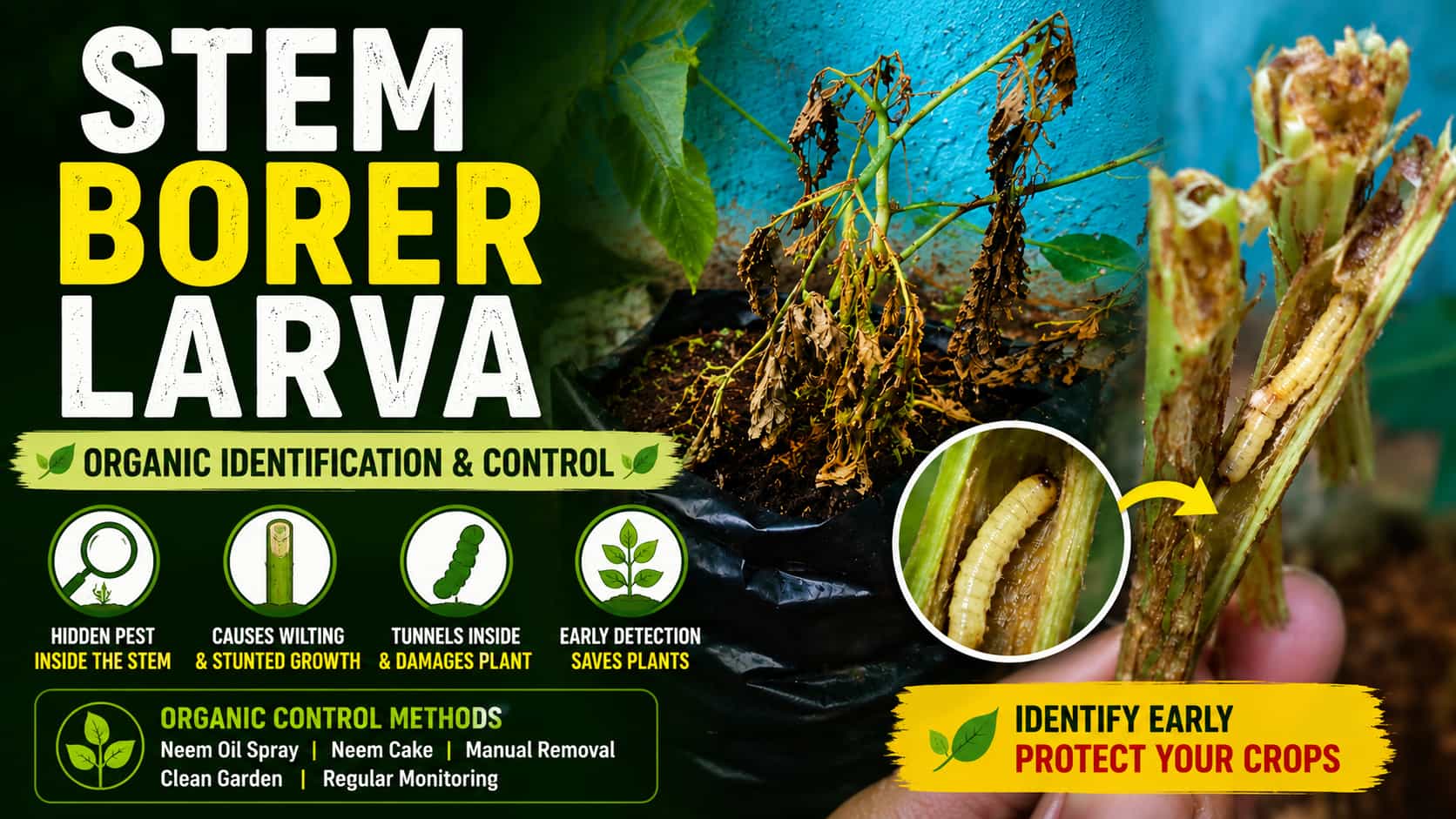
Stem borer larvae are among the most destructive pests affecting vegetable crops in home gardens and terrace farms. Unlike leaf-feeding insects, these larvae tunnel inside the stem, making them difficult to detect during the early stages. By the time visible symptoms appear, the plant may already have suffered significant internal damage.
The image below clearly shows a stem borer larva inside a split stem, a common sight when an infected plant is cut open. Early identification and timely removal of the larva can prevent the pest from spreading to healthy plants.
🌿 What is a Stem Borer Larva?
A stem borer is the larval stage of certain moths or beetles that lays eggs on tender shoots or stems. After hatching, the young larva bores into the stem and feeds on the soft tissues inside, disrupting the movement of water and nutrients throughout the plant.

Because the larva remains hidden inside the stem, external spraying often has little effect once the infestation has begun.
📋 Common Symptoms of Stem Borer Attack
| 🌱 Symptom | 🔍 Description |
|---|---|
| Wilting of tender shoots | Young shoots suddenly droop despite adequate watering. |
| Small entry holes | Tiny holes may appear on the stem with frass (insect waste). |
| Hollow stem | Splitting the stem reveals tunnels created by the larva. |
| Yellow or drying leaves | Damaged stems cannot transport nutrients effectively. |
| Stunted growth | The plant stops producing healthy new shoots and flowers. |
🥒 Crops Commonly Affected
Stem borers can attack many vegetable crops, including:
- Okra (Ladies Finger)
- Chilli
- Brinjal (Eggplant)
- Cowpea and Bush Beans
- Bitter Gourd
- Ridge Gourd
- Snake Gourd
- Pumpkin
- Bottle Gourd
🐛 How to Control Stem Borers Organically
The best organic control method is early detection and manual removal.
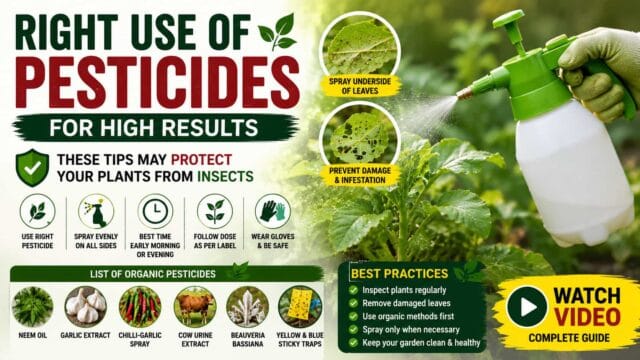
- ✂️ Remove and destroy affected shoots immediately.
- 🔍 Split damaged stems carefully to locate and remove the larva.
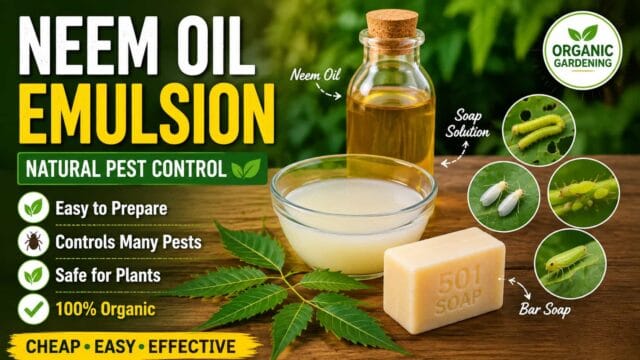
- 🌿 Apply neem oil emulsion regularly as a preventive spray.
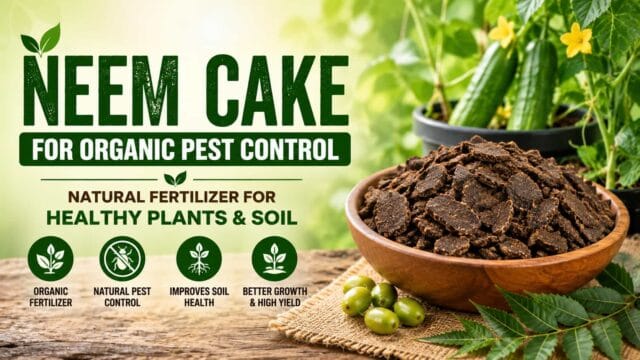
- 🌱 Mix neem cake into the soil while planting to improve plant health and reduce pest pressure.
- 🍂 Keep the garden clean by removing heavily infested plant parts.
- 🌞 Inspect plants frequently, especially new shoots and flower buds.
⚠️ Prevention Tips
- Check plants every few days for wilting shoots.
- Avoid allowing damaged stems to remain in the garden.
- Maintain good airflow between plants.
- Feed plants regularly with organic fertilizers to encourage vigorous growth.
- Rotate crops when possible to reduce recurring pest problems.
🌱 Why Early Detection Matters
Once a stem borer larva reaches the main stem, recovery becomes difficult. Removing the affected portion at the first sign of damage often saves the rest of the plant. Regular inspection is one of the most effective and inexpensive pest management practices for organic gardening.
📌 Note
The accompanying image shows a real stem borer larva inside an infected plant stem, illustrating the characteristic tunneling damage caused by this hidden pest. Such visual identification helps gardeners recognize the problem quickly and take action before the infestation spreads.
Also Read: Organic pest control methods • Neem cake as an organic fertilizer • Neem oil emulsion preparation • Fish Amino Acid (FAA) • Pseudomonas for disease management • Common vegetable pests in home gardens.