
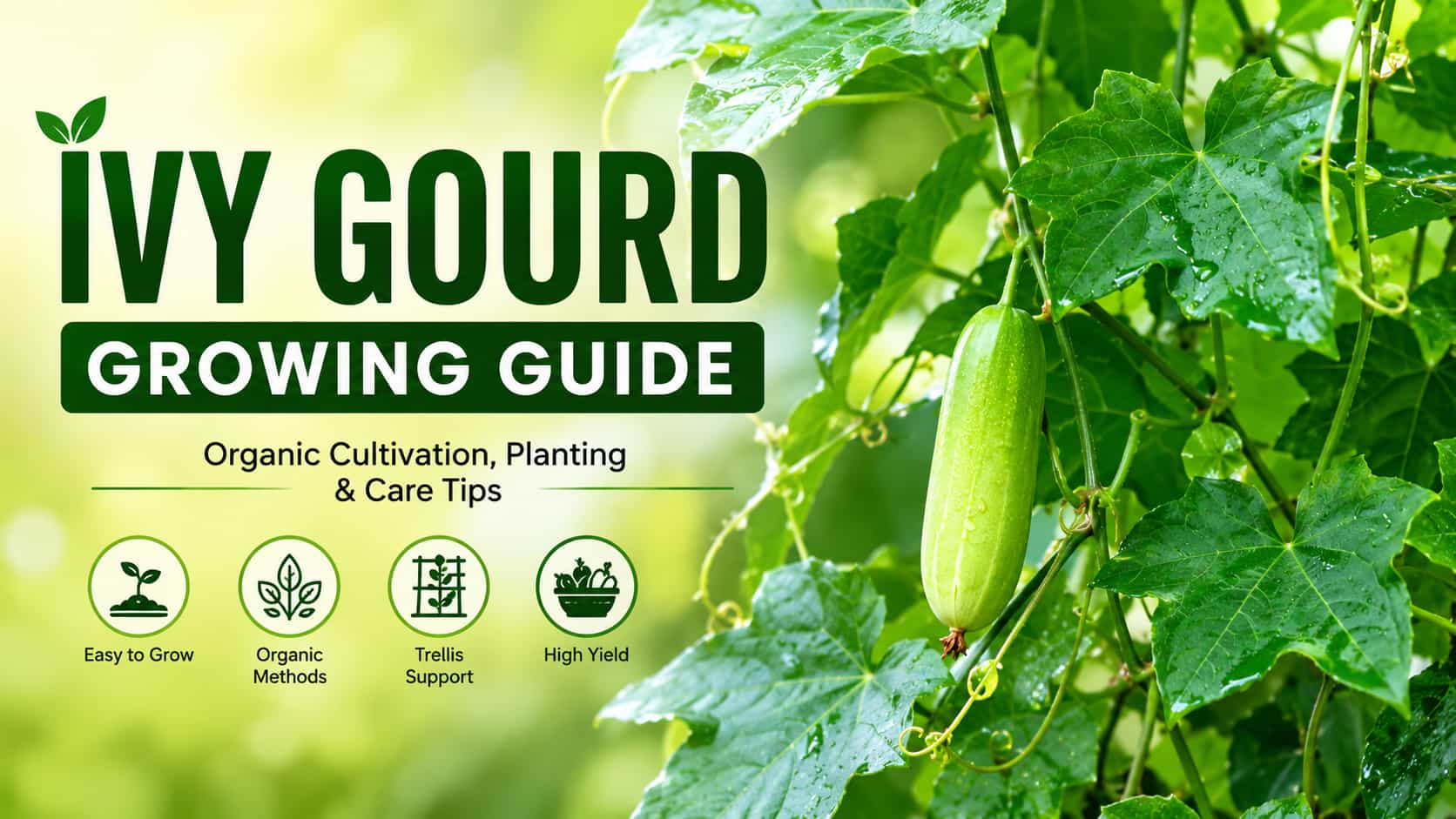
Ivy Gourd (Coccinia grandis), locally known as Koval/Kovakka, is one of the easiest vegetables to grow in a home garden. It is a perennial climbing vine that produces a continuous harvest with minimal care. Whether you have a backyard, terrace garden, or grow bags, ivy gourd adapts well to Kerala’s climate and can provide fresh vegetables throughout the year.
If you’re planning to start a kitchen garden, ivy gourd is an excellent choice because of its simple cultivation methods, fast growth, and high yield.
🌿 Ivy Gourd Cultivation at a Glance
| 📌 Category | 📋 Details |
|---|---|
| 🌱 Botanical Name | Coccinia grandis |
| 🌞 Sunlight | 6–8 hours daily |
| 🌿 Propagation | Stem cuttings |
| 🪴 Growing Medium | Soil or grow bags |
| 🌾 Fertilizer | Organic manure, compost, vermicompost |
| 💧 Watering | Moderate |
| 🥒 First Harvest | Around 2–3 months after planting |
🌱 Why Choose Ivy Gourd?
Ivy gourd is one of the best vegetables for beginners. It requires very little maintenance, grows vigorously, and continues producing fruits for several years when properly maintained.
Some advantages include:
- 🌿 Easy to grow and maintain
- 🥒 Regular harvest throughout the year
- 🏡 Suitable for home gardens and terrace gardens
- 🌱 Can be grown entirely using organic methods
- 💰 Low cultivation cost
🌿 Propagation Using Stem Cuttings
Unlike many vegetables, ivy gourd is usually propagated using stem cuttings instead of seeds.
For successful planting:
- 🌱 Select healthy, disease-free vines.
- 🌿 Choose a cutting with at least four healthy nodes.
- 🌱 Take cuttings from plants known for good productivity.
The cuttings can either be planted directly in prepared pits or rooted first in nursery bags before transplanting.
When planting, ensure that two nodes remain below the soil and two nodes stay above the ground for better rooting.
🪴 Preparing the Planting Pit
Prepare pits approximately half a meter deep and enrich the soil with organic matter before planting.
Recommended organic amendments include:
- 🐄 Well-decomposed farmyard manure
- 🌿 Neem cake
- 🦴 Bone meal
- 🍂 Compost or vermicompost
Mix these thoroughly with the soil before planting the cutting.
☀️ Sunlight and Support
Ivy gourd performs best in locations receiving plenty of sunlight.
Once the vine begins growing:
- 🪵 Install a strong trellis or pergola.
- 🌿 Train the vine over the support.
- ✋ Keep the trellis at a convenient height for harvesting.
Growing the vine on trees is generally not recommended because harvesting becomes difficult.
💧 Watering and Maintenance
Proper watering is essential during the early stages of growth.
- 💦 Water only when necessary.
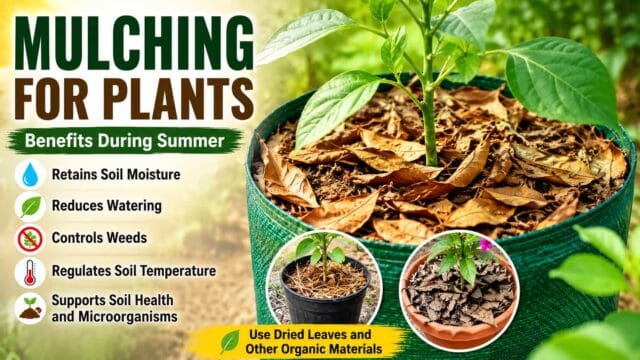
- 🍂 Apply dry leaves or mulch around the base to conserve soil moisture.
- 🌞 Increase watering slightly during hot summer months.
Avoid waterlogging, as excessive moisture may affect root health.
🌾 Organic Fertilizer Schedule
Organic nutrition helps maintain healthy vines and consistent fruit production.
Every two weeks, you may apply:
- 🌱 Vermiwash
- 🐄 Cow urine diluted at 1:10 with water
- 🍚 Fermented rice water
- 🌾 Compost tea
Many home gardeners also use cooled fermented rice water once a week to promote healthy growth and improve fruit quality.
🥒 Harvesting
Harvest ivy gourds while they are still young and tender.
Picking fruits regularly encourages:
- 🌸 More flowering
- 🥒 Continuous fruit production
- 🌿 Healthier vine growth
Avoid allowing fruits to become overripe on the plant.
🍛 Culinary Uses
Fresh ivy gourds can be used in a variety of traditional dishes, including:
- 🥒 Stir-fry
- 🥥 Thoran
- 🍛 Theeyal
- 🥘 Sambar
- 🥣 Avial
- 🍽️ Dry vegetable preparations
Home-grown ivy gourds are fresh, nutritious, and free from unnecessary chemical residues.
🌱 Where to Get Planting Material?
Healthy ivy gourd cuttings are often available from:
- 🌾 VFPCK outlets
- 🌱 Krishi Vigyan Kendras (KVKs)
- 🌿 Krishi Bhavans
- 👨🌾 Local farmers and home gardeners
Always choose cuttings from vigorous and high-yielding plants.
💡 Tips for Better Yield
- ✅ Plant in a sunny location.
- ✅ Use a sturdy trellis for support.
- ✅ Apply organic manure regularly.
- ✅ Mulch the soil to retain moisture.
- ✅ Harvest fruits frequently.
- ✅ Avoid excessive irrigation.
❓ Frequently Asked Questions
❓Can ivy gourd be grown from seeds?
Yes, but stem cuttings are the preferred method because they establish quickly and retain the characteristics of the parent plant.
❓Can I grow ivy gourd in grow bags?
Yes. Large grow bags with proper support are ideal for terrace gardening.
❓How much sunlight does ivy gourd need?
At least 6–8 hours of direct sunlight each day is recommended.
❓Can I grow ivy gourd without chemical fertilizers?
Absolutely. Ivy gourd responds very well to organic manure, compost, vermicompost, and other natural nutrient sources.
🌱 Note: This article is based primarily on practical home gardening experience and commonly followed organic cultivation practices. Growing conditions and results may vary depending on soil type, climate, and local management practices.