 Organic Advices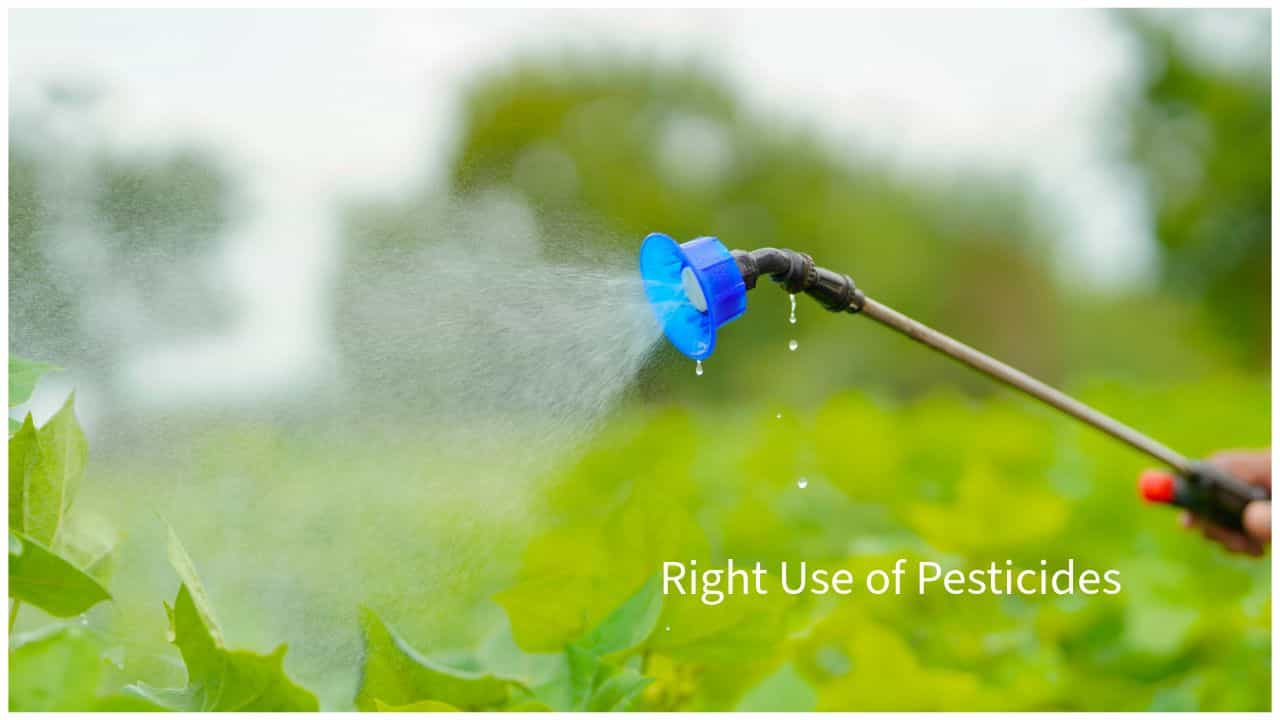
In our vegetable garden, we utilize both organic and inorganic pesticides to effectively manage the insect population that threatens our plants. These pests can wreak havoc on our crops, so it’s essential to take proactive measures. By applying pesticides, we aim to create a protective barrier that not only targets the insects currently present but also helps prevent future infestations. The choice between organic and inorganic options often depends on our gardening philosophy and the specific needs of our plants.

To achieve the best results when using pesticides, it’s crucial to apply them thoroughly. This means spraying the solution evenly across the leaves, but with particular attention to the undersides. Many insects and their eggs tend to hide in these less visible areas, making it vital to ensure that the pesticide reaches them. A well-distributed application can significantly enhance the effectiveness of the treatment, allowing us to tackle the problem more comprehensively.
It’s also important to remember that timing and technique play a significant role in pesticide application. Spraying during cooler parts of the day, such as early morning or late afternoon, can help minimize evaporation and increase absorption. Additionally, following the manufacturer’s instructions regarding dilution and frequency of application will ensure that we are using the products safely and effectively. By being diligent in our approach, we can maintain a healthy and thriving vegetable garden while keeping pests at bay.
List Of Organic Pesticides
When it comes to organic gardening, using natural pesticides can be a game-changer for maintaining healthy plants while minimizing harm to the environment. Organic pesticides are derived from natural sources and are designed to control pests without the harsh chemicals found in conventional options. Some popular choices include neem oil, which is extracted from the seeds of the neem tree and is effective against a variety of insects; diatomaceous earth, a powder made from fossilized algae that can deter soft-bodied pests; and insecticidal soap, which works by suffocating insects on contact. Additionally, garlic and pepper sprays can be homemade remedies that repel pests due to their strong odors. These organic solutions not only help protect your plants but also promote a balanced ecosystem, making them a preferred choice for eco-conscious gardeners.