Learn about Cheera (Spinach) cultivation, its various types, nutrition facts, and glycemic index. Start your journey to healthier eating now!
Add organicadvices.com As Preferred Source on Google
Find the Nutrition Facts, GI Index, Growing methods and English Name Of Cheera
What is The English Name Of Cheera ?
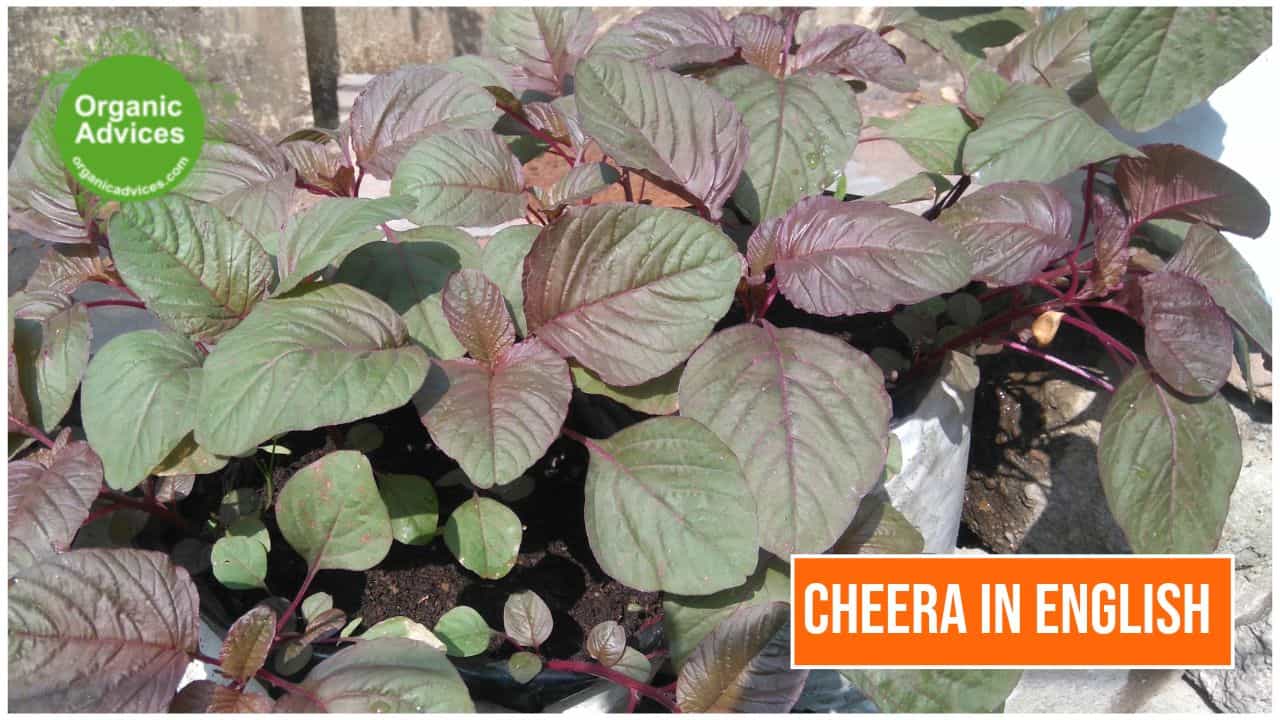
Cheera, also known as Amaranthus or Indian spinach, is a nutrient-dense leafy green that enjoys immense popularity in Kerala. This vibrant plant comes in various shades, primarily red and green, and is often featured in traditional dishes such as thoran, which is a stir-fry made with grated coconut, as well as in sambar and cheera chembu thoran. Packed with essential vitamins like A and C, along with vital minerals such as iron and calcium, cheera is a fantastic addition to any daily diet, contributing to overall health and well-being.
GI Index of Cheera
One of the standout features of cheera is its low Glycemic Index (GI), typically ranging from 15 to 50. This makes it an ideal food choice for individuals looking to manage their blood sugar levels effectively. Beyond its glycemic benefits, cheera is a low-calorie option that is rich in vitamins A, C, and K, as well as folate, iron, and antioxidants. Its high dietary fiber content supports digestive health, while the presence of potassium and magnesium aids in weight management and promotes heart health, making it a versatile ingredient for a balanced diet.
Cheera (Amaranthus) Varieties
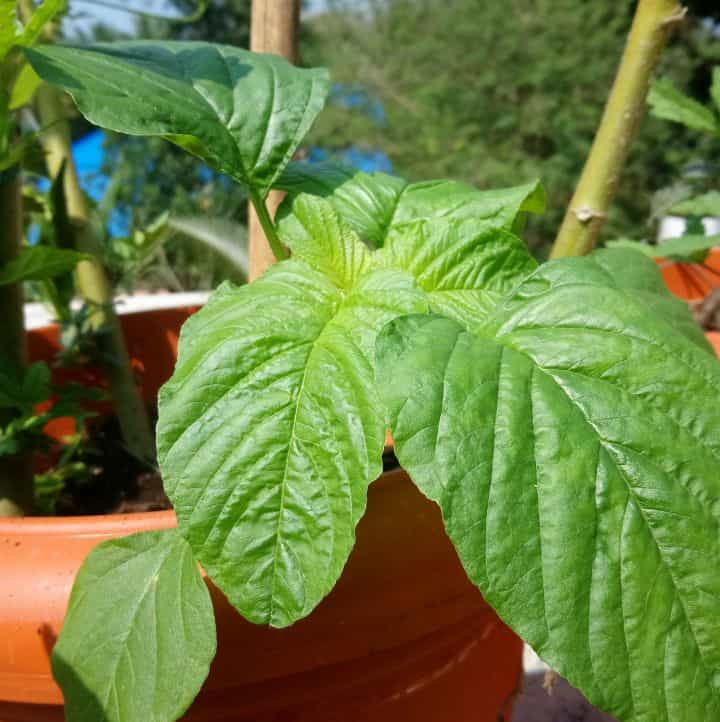
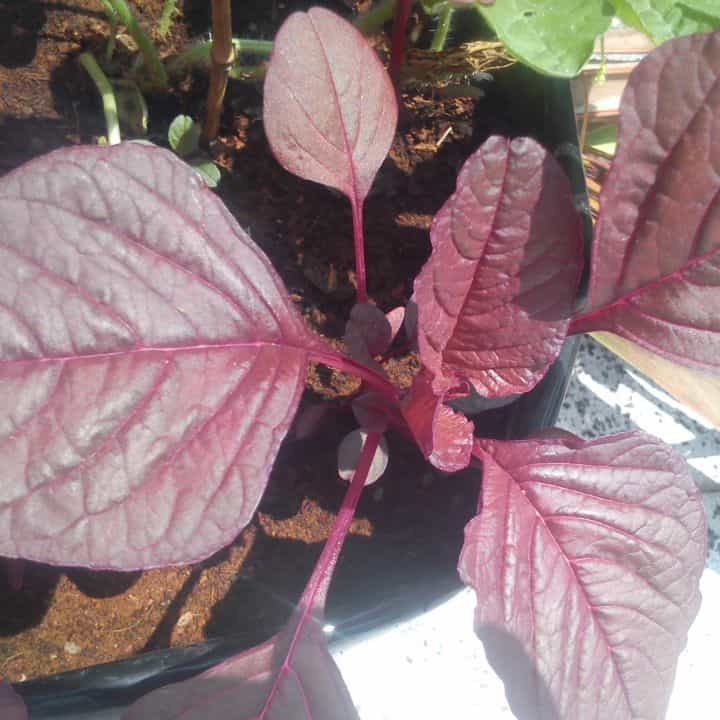
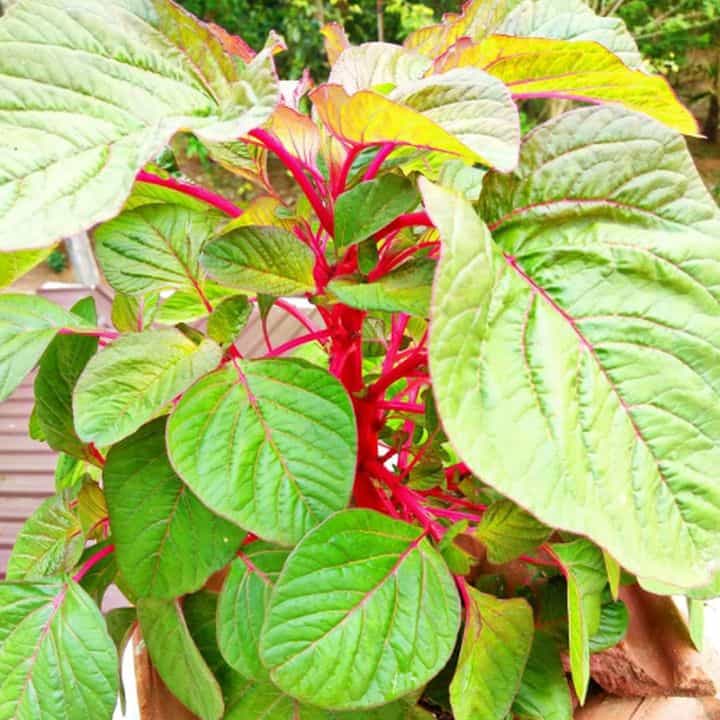
When it comes to varieties, cheera offers a delightful array of options, each with its unique characteristics. For instance, Red Cheera, or Chuvappu Cheera, is celebrated for its striking deep red leaves, while Green Cheera, or Pacha Cheera, represents the classic green leafy variety. Other notable types include Sundari Cheera, known for its colorful variegated leaves, and Mayilpeeli Cheera, which features a beautiful pattern. Additionally, Chempattu Cheera and Pallichal Sindhura are popular red-stemmed varieties, while Valli Cheera, or Malabar spinach, is often used as a creeping plant. Each variety brings its own flavor and nutritional benefits, making cheera a versatile and healthful choice in various culinary applications.
Gallery
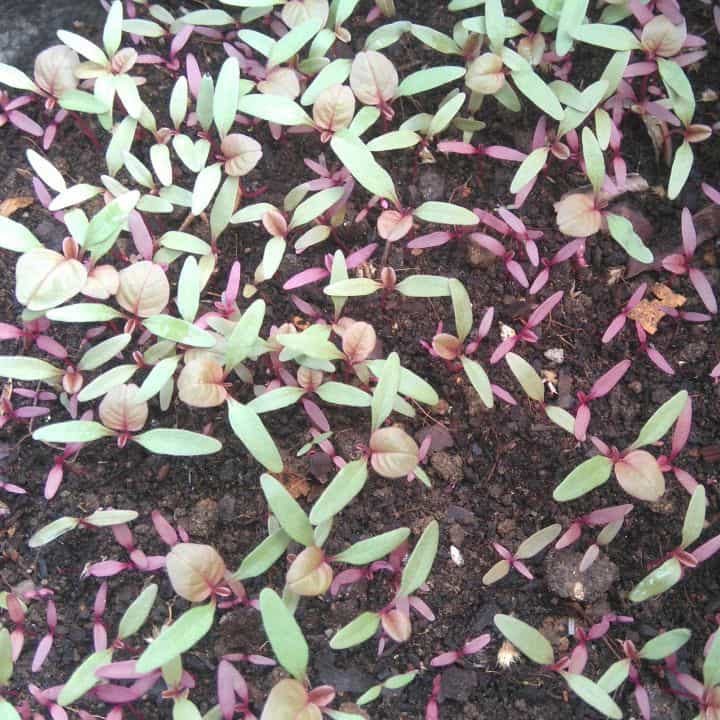
Green CheeraRed Color CheeraSundari CheeraSeedlings of CheeraVeli Cheera
Cheera Growing
Growing Cheera, also known as Amaranthus or spinach, is a straightforward endeavor whether you choose to cultivate it in containers or directly in the ground. This leafy green can be ready for harvest in approximately 30 days, making it a quick and rewarding addition to your garden. To start, mix the seeds with sand or soil to deter ants, and plant them in a potting mix that is rich in compost. It’s essential to keep the soil consistently moist and ensure that your Cheera receives about 3 to 4 hours of sunlight each day. For optimal growth, consider applying organic fertilizers such as cow dung or groundnut cake, which will promote the development of lush, vibrant leaves.
When it comes to soil and planting, selecting a well-draining mix that is abundant in organic matter is crucial for the health of your Cheera. To achieve an even distribution of seeds, combine them with sand or rice husk before sowing. Ants can pose a significant threat to your seedlings, so using a light dusting of turmeric powder on the soil or mixing the seeds with sand can help keep them at bay. Germination typically occurs within 7 to 10 days, and you have the option to start the seeds in pots and transplant them after three weeks, or you can sow them directly into the ground.
Maintaining consistent moisture is key, so water your Cheera every 1 to 2 days, ensuring it thrives in the 3 to 4 hours of direct sunlight it prefers, although it can tolerate some shade. To boost your yield, apply organic fertilizers every 5 to 7 days; options like cow dung slurry, diluted cow urine, or fermented groundnut cake mixed with water work wonders. When it comes time to harvest, you can begin cutting the tender shoots around 25 to 30 days after planting. Regularly trimming the leaves encourages branching, allowing for multiple harvests. Additionally, to combat leaf spot disease during the rainy season, a mixture of turmeric and baking soda can be used as a preventive measure, ensuring your Cheera remains healthy and productive.
Nutrition Facts
Cheera, also known as amaranth greens, is packed with essential nutrients, making it a fantastic addition to your daily meals. This leafy green is particularly rich in vitamins A and C, which are crucial for maintaining healthy skin and boosting your immune system. Additionally, it provides a good source of iron, which is vital for transporting oxygen in the blood, and calcium, which supports strong bones and teeth. Incorporating cheera into your diet not only enhances the nutritional value of your meals but also adds a delightful flavor and vibrant color to your dishes, making it a versatile choice for salads, stir-fries, and soups.
Organicadvices.com is a dedicated portal for Organic Farming Related Articles. We are regularly publishing contents related with organic living and framing. We will help you to cultivate organic vegetables and fruits. Keep visiting and subscribe to us for all the updates.
We use cookies to improve your experience on organicadvices.com. By using our site, you consent to cookies.
This website uses cookies
Websites store cookies to enhance functionality and personalise your experience. You can manage your preferences, but blocking some cookies may impact site performance and services.
Essential cookies enable basic functions and are necessary for the proper function of the website.
Name
Description
Duration
Cookie Preferences
This cookie is used to store the user's cookie consent preferences.
30 days
These cookies are needed for adding comments on this website.
Name
Description
Duration
comment_author
Used to track the user across multiple sessions.
Session
comment_author_email
Used to track the user across multiple sessions.
Session
comment_author_url
Used to track the user across multiple sessions.
Session
Google Tag Manager simplifies the management of marketing tags on your website without code changes.
Name
Description
Duration
cookiePreferences
Registers cookie preferences of a user
2 years
td
Registers statistical data on users' behaviour on the website. Used for internal analytics by the website operator.
session
Statistics cookies collect information anonymously. This information helps us understand how visitors use our website.
Google Analytics is a powerful tool that tracks and analyzes website traffic for informed marketing decisions.
Contains information related to marketing campaigns of the user. These are shared with Google AdWords / Google Ads when the Google Ads and Google Analytics accounts are linked together.
90 days
__utma
ID used to identify users and sessions
2 years after last activity
__utmt
Used to monitor number of Google Analytics server requests
10 minutes
__utmb
Used to distinguish new sessions and visits. This cookie is set when the GA.js javascript library is loaded and there is no existing __utmb cookie. The cookie is updated every time data is sent to the Google Analytics server.
30 minutes after last activity
__utmc
Used only with old Urchin versions of Google Analytics and not with GA.js. Was used to distinguish between new sessions and visits at the end of a session.
End of session (browser)
__utmz
Contains information about the traffic source or campaign that directed user to the website. The cookie is set when the GA.js javascript is loaded and updated when data is sent to the Google Anaytics server
6 months after last activity
__utmv
Contains custom information set by the web developer via the _setCustomVar method in Google Analytics. This cookie is updated every time new data is sent to the Google Analytics server.
2 years after last activity
__utmx
Used to determine whether a user is included in an A / B or Multivariate test.
18 months
_ga
ID used to identify users
2 years
_gali
Used by Google Analytics to determine which links on a page are being clicked
30 seconds
_ga_
ID used to identify users
2 years
_gid
ID used to identify users for 24 hours after last activity
24 hours
_gat
Used to monitor number of Google Analytics server requests when using Google Tag Manager
1 minute
You can find more information in our Cookie Policy and .

 Organic Advices