

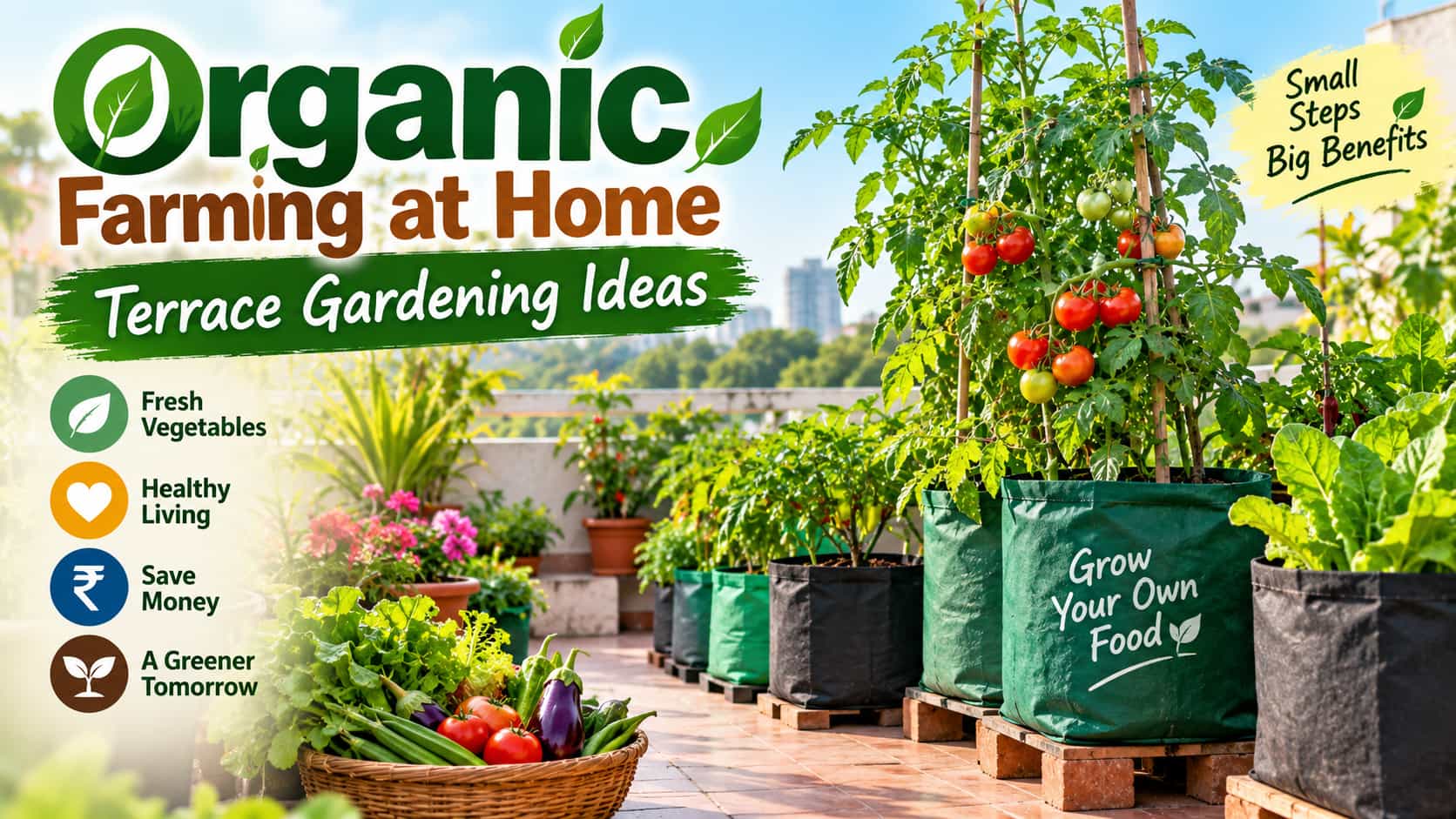
Growing vegetables at home is a practical way to enjoy fresh produce while making better use of available space. Organic farming at home can be started on a terrace, rooftop, balcony or in a small backyard without depending heavily on synthetic fertilizers and pesticides.
A home vegetable garden does not have to be large. A few grow bags or containers with suitable potting mix can be enough to start growing commonly used vegetables and herbs.
Benefits of Organic Farming at Home
One of the biggest advantages of a home garden is knowing how your vegetables are being grown. You can choose the seeds, growing medium, fertilizers and pest-management methods used in your garden.
Home gardening can also reduce the need to purchase some vegetables regularly, although the actual savings depend on the size of the garden, crops selected and the cost of gardening materials.
Growing plants is also an enjoyable activity that can bring greenery into otherwise unused areas around the home.
| Home Organic Gardening | Details |
|---|---|
| Suitable Places | Terrace, rooftop, balcony, backyard |
| Growing Containers | Grow bags, pots and suitable reusable containers |
| Growing Medium | Soil, compost, coco peat and other organic materials |
| Plant Nutrition | Compost, vermicompost and suitable organic fertilizers |
| Suitable Crops | Vegetables, leafy greens and herbs |
| Main Advantage | Fresh produce with greater control over growing methods |
| Space Required | Can be adapted to small or large spaces |
Can You Grow Vegetables on a Home Terrace?
Yes. A terrace can provide useful space for growing vegetables when it receives sufficient sunlight and the building is suitable for the additional load.
However, terrace gardening should be planned carefully. Containers filled with wet growing medium can become heavy, and water drainage must be managed properly.
Before creating a large rooftop garden, particularly on an older building, it is sensible to consider the terrace’s waterproofing, drainage and structural load capacity. Professional advice may be appropriate when installing a substantial garden.
Will Terrace Gardening Damage the Concrete?
Terrace gardening itself does not necessarily damage a roof, but poor drainage, standing water, damaged waterproofing and excessive weight can create problems.
Avoid placing containers in locations where drainage outlets become blocked. Grow bags and pots can be raised slightly above the floor using suitable stands, tiles or supports, allowing water to drain underneath.
The terrace should be inspected periodically for water accumulation or signs of leakage.
How to Grow Vegetables in Grow Bags
Grow bags are convenient for a home terrace garden because they are available in different sizes and can be moved more easily than permanent planting beds.
Fill the grow bag with an appropriate potting mixture rather than relying only on heavy garden soil. The mixture should provide drainage while retaining enough moisture for plant growth.
Place the containers where the plants receive the amount of sunlight required by the particular crop.
Make sure every grow bag or pot has adequate drainage holes.
Potting Mix for Terrace Gardening
A good potting medium should support roots without becoming excessively compacted or waterlogged.
Depending on locally available materials, a mixture can contain soil, mature compost, coco peat or similar growing media, and other suitable organic matter.
Vermicompost can be added as a nutrient-rich component, but it should normally form only part of the overall growing mixture rather than being used as the entire medium.
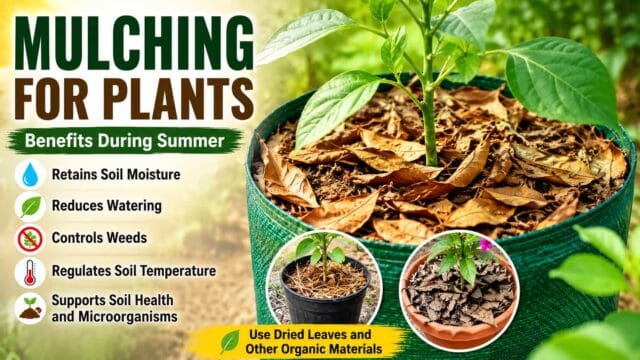
Dry leaves can also be composted and recycled into useful organic matter for the garden.
What If Garden Soil Is Not Available?
Lack of easy access to soil does not necessarily prevent you from starting a container garden.
Commercial potting mixtures are available, while suitable combinations of coco peat, mature compost and other growing media can also be considered for container cultivation.
The exact mixture can be adjusted according to the vegetable being grown and the materials available locally.
Where Can You Get Vegetable Seeds?
Vegetable seeds are commonly available from agricultural stores, nurseries, government-supported agricultural outlets and reputable seed suppliers.
Seeds can also be purchased online. When buying seeds, check the crop variety, packing information and suitability for your local growing conditions.
Beginners may find it easier to start with a small selection of vegetables and herbs rather than planting many varieties at once.
Start Your Home Organic Garden Gradually
You do not need dozens of grow bags to begin organic farming at home. Start with a few containers, understand how sunlight, watering and drainage behave in your location, and gradually expand the garden.
Composting biodegradable kitchen waste can also complement a home garden by recycling some household organic material into compost after it has properly decomposed.
With sensible planning and regular care, even a relatively small terrace or balcony can become a productive green space.
Keep visiting Organic Advices for more practical guides on organic farming, terrace gardening, composting, potting mixtures and growing vegetables at home.

veggies cultivated using organic will have more anti oxidants, this will help preventing deadly deceases.